
Millions of Modified Cars in the UK Are Not Properly Insured

An estimated 6.6 million vehicles on UK roads are currently running modifications that were never declared to the owner's insurer. That is more than one in five modified cars, and it is a much bigger number than most enthusiasts probably expect.
What actually counts as a modification
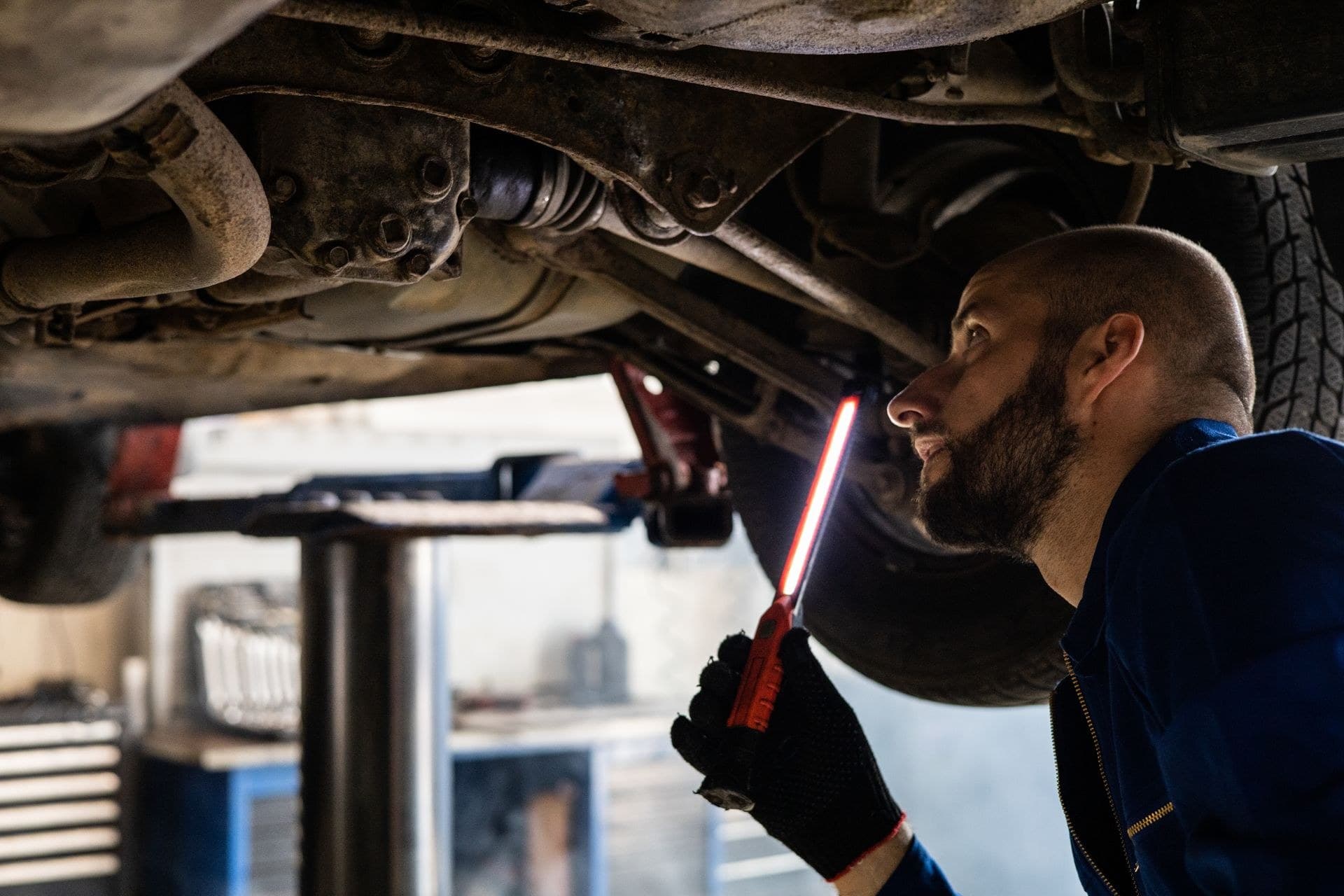
The definition insurers use is broader than most people assume. A modification is any change that alters the car from the manufacturer's standard factory specification, whether it was done for looks, performance, accessibility, or security. That includes obvious changes like a remap or an aftermarket exhaust, but it also covers things a lot of owners do not think to mention, like a roof rack, an upgraded stereo, tinted windows, or even a different tyre brand or size to standard.
Why an undeclared mod is a real problem
Failing to tell your insurer is not a minor technicality. It is a breach of your policy terms. If you are ever in an accident and the insurer discovers an undeclared modification, they can legally void your cover entirely. That does not just mean a bigger excess or a reduced payout. It can mean you are personally on the hook for the full cost of the damage, to your car and to anyone else involved.
Why so many owners get this wrong
Part of the problem is genuinely not realising a change counts. A lot of owners think of a modification as something dramatic, like forced induction or a body kit, and do not connect that word to smaller changes made over time. Online guides and easily available parts have also made it simpler than ever to modify a car in stages, often without anyone stopping to think about the insurance side at each step.
What to actually do about it
- List every change, however small. If in doubt, declare it. An insurer would rather have too much information than find out about something after a claim.
- Get it in writing. A phone call is fine to start the conversation, but make sure any change to your policy is confirmed in writing before you drive again.
- Consider a specialist insurer for heavily modified cars. Mainstream insurers will often still cover light modifications, sometimes with an adjusted premium, but a heavily modified car may be turned down entirely by a standard provider. Specialist modified car insurers exist specifically to price this risk properly rather than refuse it outright.
None of this means modifying your car is a bad idea. It means the paperwork side deserves the same attention as the build itself.

Founder of The Car Scene. Owner of a 2009 Ford Focus ST (MK2) ST225, currently SORN, but built as a Stage 4+ fast road car, running circa ~380bhp. Featured in Fast Ford 2015. Owned since 2010.
View profile